
FPV Manufacturing Guide
Conformal Coating for FPV Electronics: Waterproofing and Dust Protection in Production
FPV electronics face vibration, heat, moisture and airborne contamination. A landing in damp grass or a flight through fine dust can expose a flight controller or ESC to conditions that ordinary indoor electronics rarely encounter. Environmental protection therefore deserves attention when specifying FPV components.
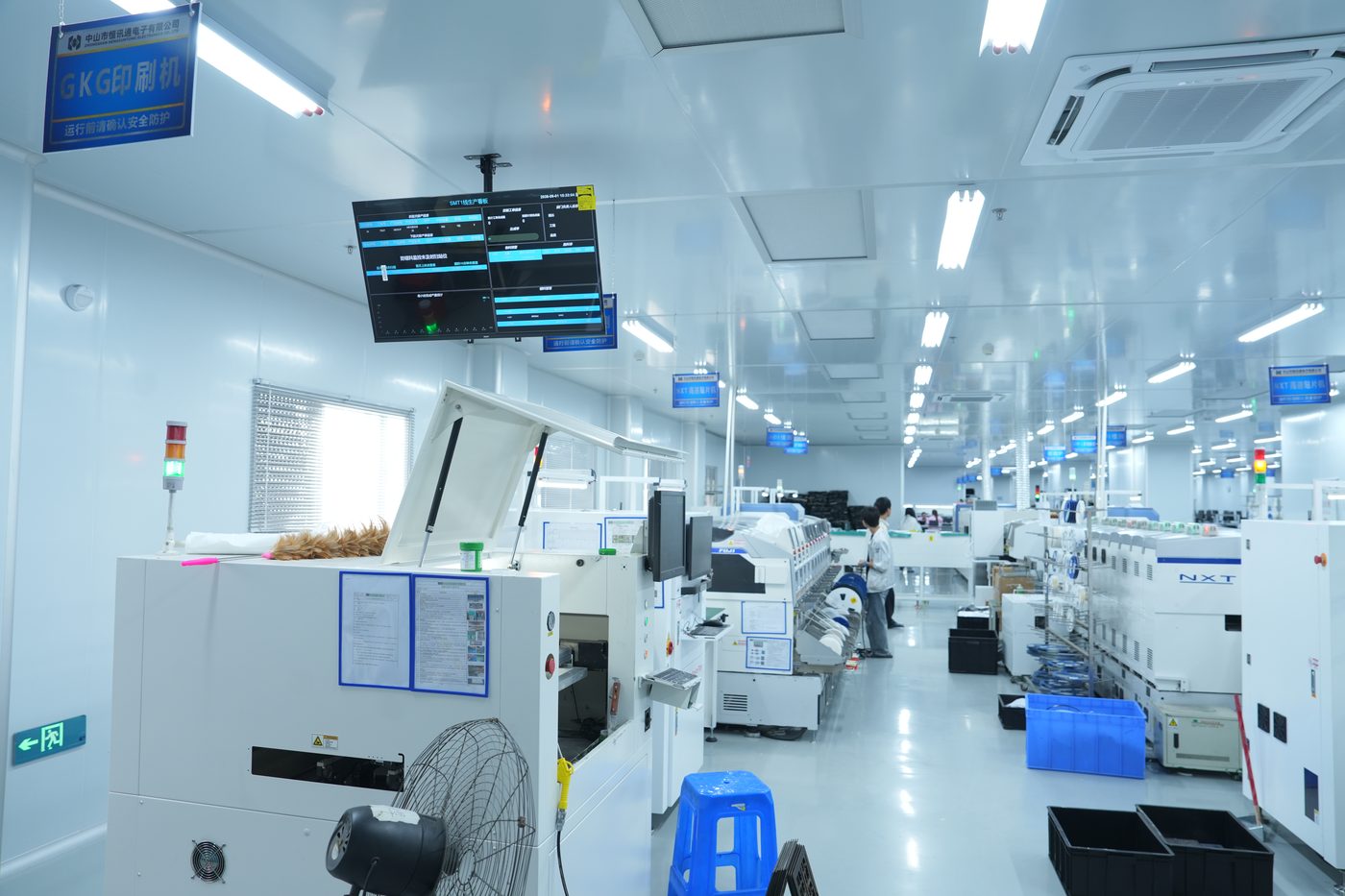
At HK Corewing, PCB assembly and optical inspection form part of the manufacturing work behind its FPV component supply. For projects that require conformal coating, buyers should also define the coating material, application areas and acceptance requirements for the exact board being ordered.
1. What Conformal Coating Protects Against
Conformal coating forms a thin insulating film that follows the contours of a PCB. Depending on its formulation and application, it helps protect circuitry against moisture, dust, dirt and fungal contamination. Suitable materials can also reduce exposure to salt-bearing moisture, making coating relevant to humid and coastal environments.
Protection depends on the complete coating system. Surface preparation, coverage, curing and the intended environment all influence the result. A coating layer does not establish an IP rating or make an open FPV stack suitable for immersion.
2. Preparing the Board and Applying the Coating
Before coating, the PCB needs a clean, dry surface. Residues can interfere with adhesion or leave gaps in coverage. Connectors, electrical contacts, programming points and other designated areas must remain accessible. Any sensor openings or other sensitive features also require protection according to the component instructions.
Automated spray application supports repeatable coverage over programmed areas. Manual touch-up can address small regions that need correction or are difficult to reach. Both methods require defined coating boundaries and suitable material control. Their use for a particular HK Corewing order should be included in the agreed production specification.
3. Checking Coverage and Preserving Function
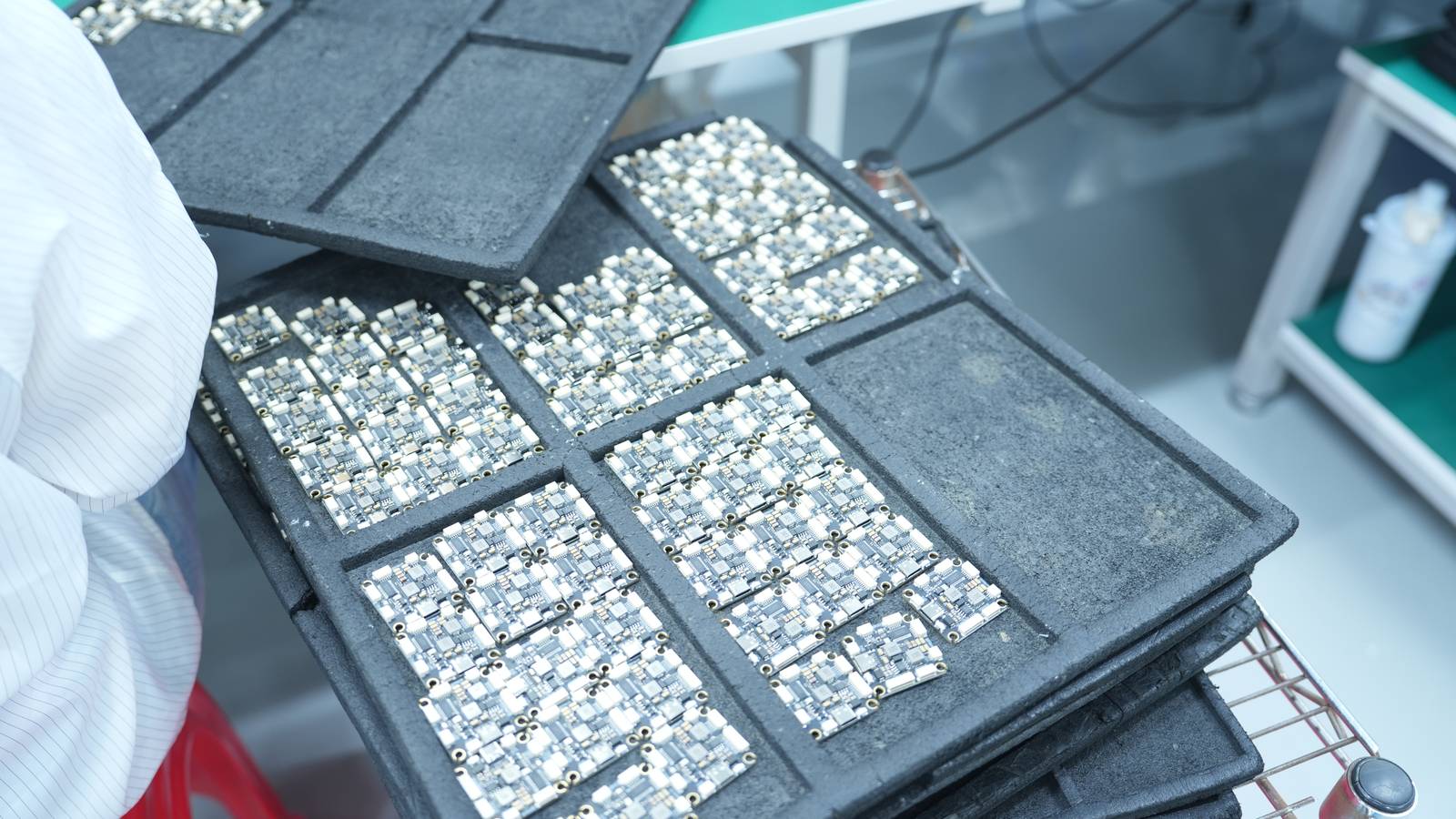
Coating inspection needs to check the intended coverage and the areas deliberately left uncoated. Where the material contains a fluorescent tracer, UV illumination can help reveal coverage gaps. Fluorescence alone does not verify complete curing, coating thickness or waterproof performance.
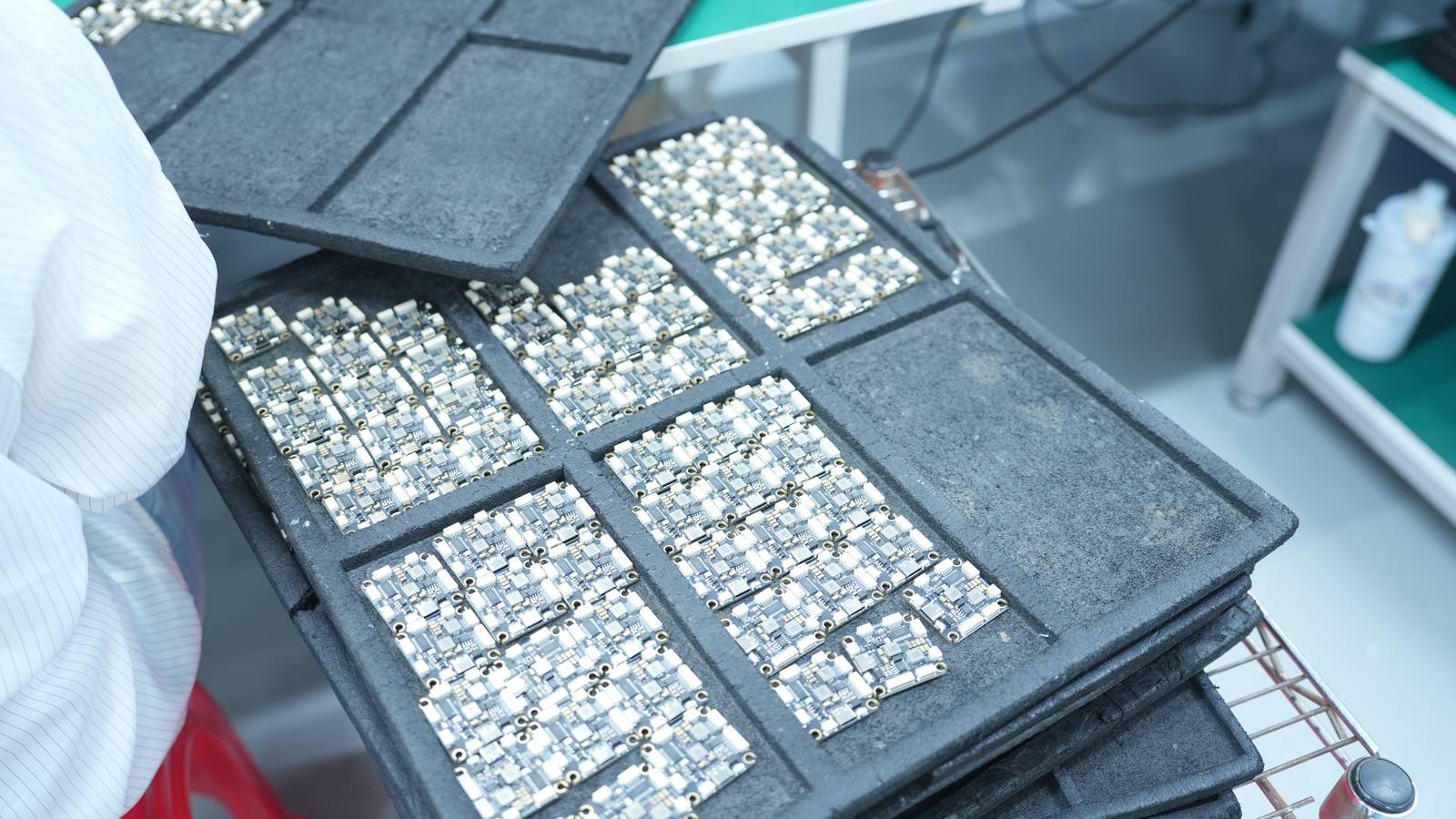
Acceptance criteria should address coverage, unwanted coating on interfaces and any visible defects relevant to the material. Local corrections need another inspection before the board moves forward. The photograph here shows optical inspection of PCB assemblies, a separate activity from coating inspection.
4. Protection for Real FPV Conditions
Conformal coating can add protection against incidental moisture and contamination after contact with damp grass, snow or dusty surroundings. It cannot compensate for damaged wiring, exposed connectors or an unsuitable enclosure. Rain operation must be assessed for the complete aircraft and its operating conditions.
After a wet landing or crash, disconnect the battery and inspect the aircraft. Electrical equipment should be fully dry and checked before power is restored. Coating can support a protection strategy, while careful handling remains necessary.
5. Specifying Coating for a B2B Order
When evaluating a waterproof FPV ESC claim, confirm the exact protection offered. For a conformal coating PCB project, record the board revision, coating material, coverage map, excluded interfaces, inspection method and acceptance criteria. Any environmental test requirement should be agreed separately.
Discuss these details with HK Corewing alongside the FC, ESC or other FPV component specification. A clearly defined FPV drone protection requirement helps buyers evaluate durable FPV hardware and compare samples with subsequent production orders.