

TBS Crossfire Nano RX
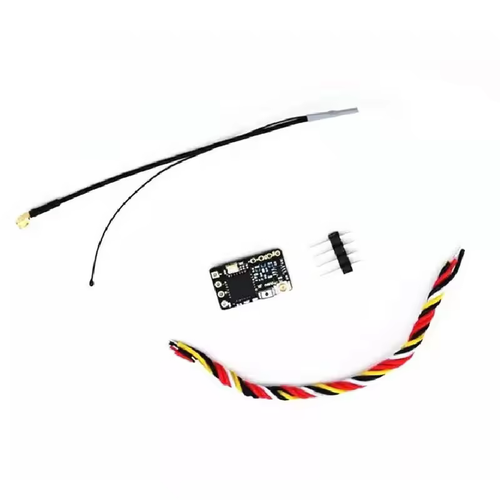
Technical Highlights
Compact Crossfire Receiver
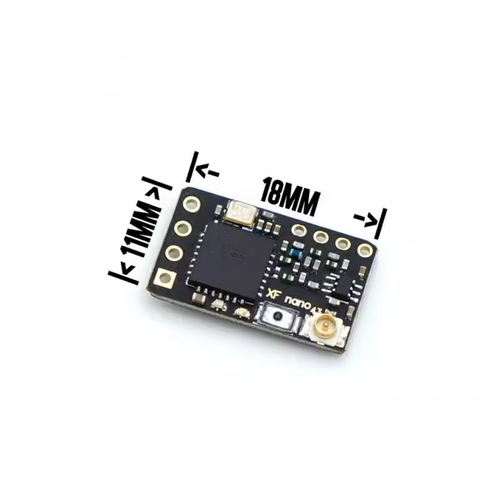
The TBS Crossfire Nano RX is a compact long-range radio receiver designed for FPV aircraft where PCB space and installed weight are limited. The receiver board measures 18 × 11mm and weighs 0.5g.
868MHz and 915MHz Operation
The receiver supports the regional 868MHz and 915MHz Crossfire bands. The selected operating region must match the Crossfire transmitter configuration and the radio regulations of the destination market.
CRSF Serial Interface
CRSF provides the primary low-latency serial connection between the receiver and a compatible flight controller. The output pads can also be configured for supported functions such as PWM, PPM, SBUS and telemetry-related signals.
40mW Telemetry Return Link
The standard Nano RX provides a 40mW telemetry downlink. This value applies to the standard receiver shown here and must not be confused with the higher-power Nano RX Pro specification.
Flexible Power Input
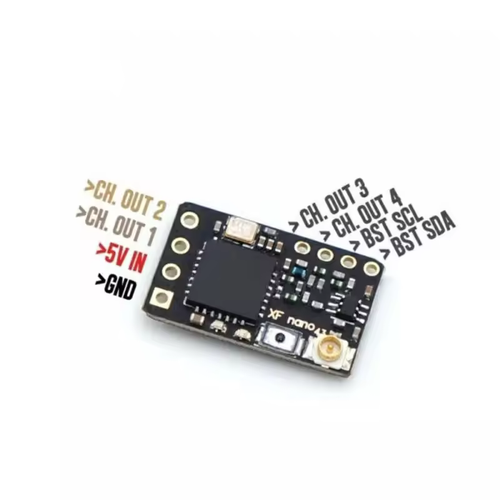
The receiver supports a 3.3–8.4V DC input range. The supplied PCB image identifies the normal power pad as 5V IN, allowing straightforward installation on flight controllers with a regulated 5V output.
U.FL T-Antenna Connection
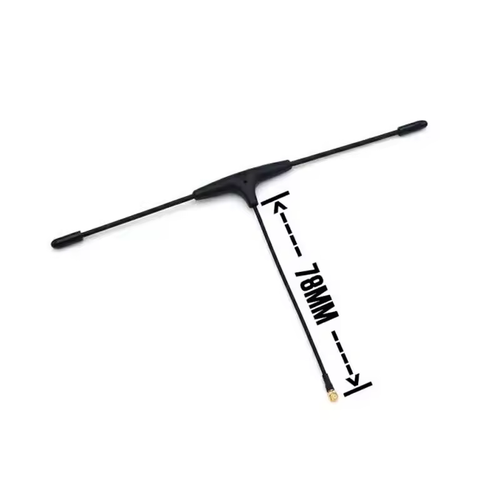
A U.FL connector provides the removable antenna interface. The supplied product images show a T-shaped antenna with a 78mm feeder between the antenna body and U.FL connector.
RF Specifications
| Receiver System | TBS Crossfire |
|---|---|
| Operating Frequencies | 868MHz / 915MHz |
| Telemetry RF Power | 40mW |
| Channel Capacity | Up to 12 Channels via Serial Stream |
| Primary Protocol | CRSF |
| Antenna Interface | U.FL |
| Antenna Type | T-Antenna |
| Antenna Feeder Length Shown | 78mm |
Electrical and Signal Interfaces
| Input Voltage | 3.3–8.4V DC |
|---|---|
| Normal Power Pad | 5V IN |
| Ground Connection | GND Pad |
| Channel Output 1 | Configurable Output; CRSF TX by Default |
| Channel Output 2 | Configurable Output; CRSF RX by Default |
| Additional Outputs | CH.OUT 3 and CH.OUT 4 |
| BST Interface | BST SCL and BST SDA |
| Supported Output Formats | CRSF, PWM, PPM and SBUS |
Physical Specifications
| Product Name | TBS Crossfire Nano RX |
|---|---|
| Product Type | Long-Range FPV Radio Receiver |
| PCB Dimensions | 18 × 11mm |
| Receiver Weight | 0.5g |
| Antenna Connector | U.FL |
| Connection Method | Solder Pads or Pin Header |
Version Identification
This page covers the standard TBS Crossfire Nano RX shown in the supplied images.
The stated telemetry power is 40mW and does not apply to the Nano RX Pro.
The archive does not contain separate product evidence for V2, SE V2 and Pro variants.
Do not use Nano RX Pro 500mW specifications for this receiver.
Confirm the exact ordered revision and antenna configuration before procurement.
Installation Notes
Connect CH.OUT 1 and CH.OUT 2 to a compatible flight-controller UART for CRSF operation.
Provide regulated receiver power within the supported 3.3–8.4V range.
Verify supply polarity before powering the receiver.
Secure the U.FL connector and antenna cable against vibration and pulling force.
Position the T-antenna away from carbon fiber, high-current wiring and video transmitters.
Configure the transmitter and receiver for the same regional frequency band.
Recommended Applications
Long-range FPV multirotors
Mini and micro FPV drones
FPV fixed-wing aircraft
Compact freestyle and cinematic builds
Crossfire-compatible custom UAV platforms
FAQ
Is the TBS Crossfire Nano RX a video transmitter?
No. It is a radio-control receiver for the Crossfire link. It receives control data and returns telemetry; it does not transmit FPV video.
Is this the standard Nano RX or the Nano RX Pro?
The supplied images support the standard Nano RX configuration. This page therefore uses the standard receiver's 40mW telemetry specification and does not use the Nano RX Pro 500mW specification.
Does the receiver support both 868MHz and 915MHz?
The Crossfire system supports regional 868MHz and 915MHz operation. Configure the receiver and transmitter for the permitted frequency band in the intended operating region.
What input voltage does the receiver support?
The supported input range is 3.3–8.4V DC. The receiver PCB shown in the supplied images identifies its normal power connection as 5V IN.
How is the receiver connected to a flight controller?
For CRSF operation, connect the receiver's CRSF TX and CRSF RX outputs to the corresponding RX and TX pads of a compatible flight-controller UART. Also connect regulated power and ground.
What output formats are supported?
The Nano RX supports configurable CRSF, PWM, PPM and SBUS output functions. CRSF is normally used for a serial connection to an FPV flight controller.
What antenna connection does the receiver use?
The receiver uses a U.FL antenna connector. The supplied product images show a T-shaped antenna with a 78mm feeder cable.
What are the receiver dimensions and weight?
The receiver board measures 18 × 11mm and weighs 0.5g, excluding the external antenna and installation wiring.
B2B Procurement FAQ
What exact model should be stated on the purchase order?
State “TBS Crossfire Nano RX, standard 40mW version” and identify the required antenna configuration. Do not use “Nano RX Pro” unless the higher-power Pro hardware is separately confirmed.
How should V2, SE V2 and Pro references be handled?
The supplied archive name mentions these versions, but its product images do not document three separate variants. The exact manufacturer part number, PCB revision and antenna version must be confirmed during quotation.
What regional information should buyers provide?
State the destination country and required 868MHz or 915MHz operating region. Frequency legality and transmitter compatibility should be checked before the order is approved.
What package contents should be confirmed?
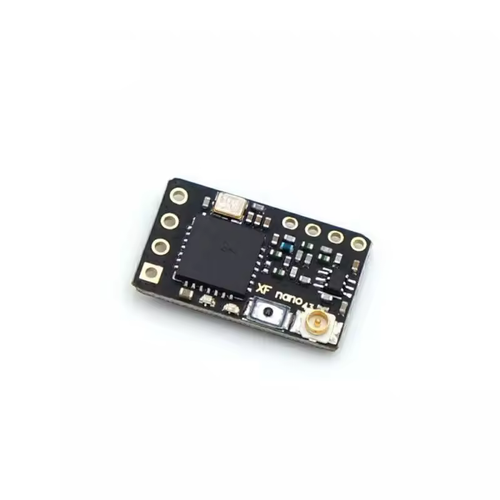
The product images show a receiver board, T-antenna, connection wire and pin header. The final quantity of each item and any heat-shrink tubing must be confirmed in the quotation and packing list.
Can product authenticity be confirmed from the supplied photographs?
No. The PCB layout and markings correspond to the Crossfire Nano RX format, but the photographs do not show original retail packaging, serial numbers or other traceability information. Source and authenticity documentation must be confirmed during procurement.
Are samples, MOQ and delivery time fixed?
No verified sample policy, MOQ or delivery time is included in the supplied information. These commercial items must be confirmed during quotation.
What should be checked during incoming inspection?
Verify the receiver dimensions, U.FL connector, T-antenna, solder pads, 5V IN and GND markings, output-pad labels and ordered hardware revision. Functional testing should confirm binding, CRSF communication and telemetry.
Leave Your Message
Products categories
-
GEPRC ELRS 915M/2.4G C3 Gemini Xrossband
-
SKYDROID 5.8G 150CH UVC OTG FPV Receiver
-
FS2A Mini 4CH AFHDS 2A PWM Receiver
-
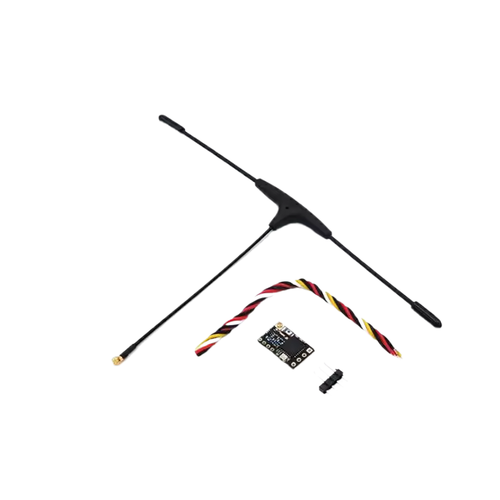
TBS Crossfire Nano RX
-
1.2GHz 1500mW Wireless AV Transmitter an
-
Foxeer ELRS 915/868MHz Receiver
-
GEPRC ELRS Nano 915M PA500 Receiver
-
Flysky FGr4 / FGr4S / FGr4P AFHDS 3 Rece
-
CYCLONE ELRS 2400RX-7CH V1.1 Receiver
-
DAKEFPV Ultra1600 / Ultra2500 64CH Analo